
Published 2026-10-21
How to Cite
Abstract
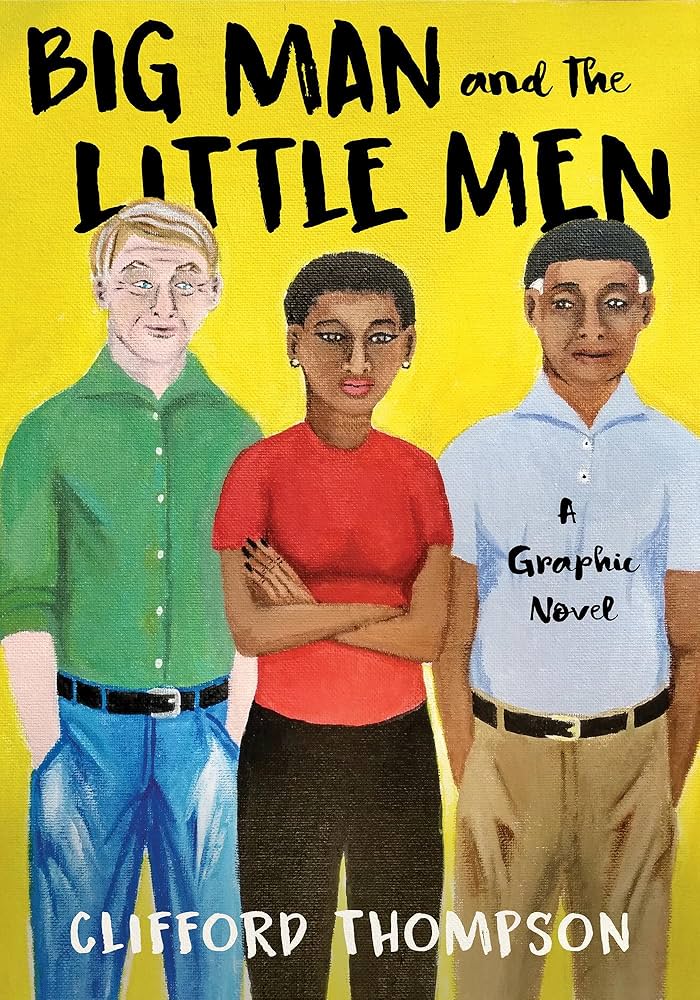
When exposure risks greater harm, who determines the moral hierarchy of truth? Clifford Thompson’s Big Man and the Little Men is a thought-provoking hybrid, part political thriller, part ethical inquiry, that uses the graphic novel form to test the limits of integrity. At the center of the story is April Wells, a Black memoirist and journalist whose integrity is tested when she is assigned to cover a charismatic Democratic presidential candidate whose rhetoric of hope begins to fracture when allegations of sexual misconduct surface. April faces an impossible choice: to publish the story and risk handing victory to the far-right opponent, or to suppress it and compromise her own ethics. This tension between personal conscience and collective consequence drives the book’s emotional core. Thompson doesn’t offer moral clarity; instead, he situates readers in April’s uncertainty, her private negotiations with guilt, fear, and self-preservation. He forces us to question whether the ends can ever justify the means.